
What most applicants will have
- Observational shadowing, watching from the sidelines
- Generic online courses with no live interaction
- Pre-recorded videos and quizzes
- A certificate that looks like everyone else's

Ten weeks online with practising NHS doctors. Take patient histories, work through real cases and learn how a doctor thinks, wherever you live.
Our paths have crossed with:









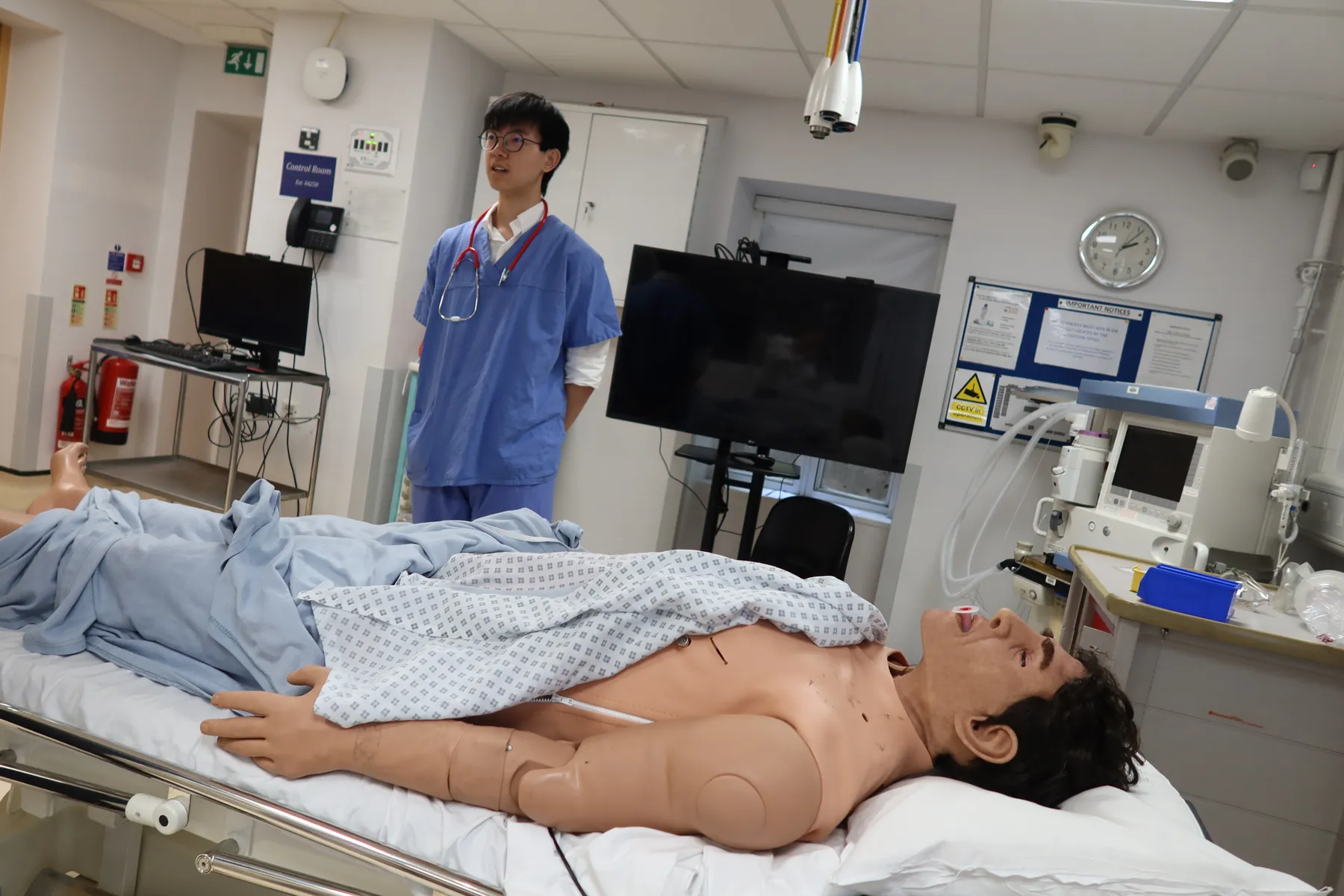
Each Sunday you join NHS doctors live online. You interview a patient actor, work out what might be going on, decide which tests to order and what to do next. By the end you will have reasoned through ten weeks of cases, which is far more than most applicants get from shadowing.
Reserve my place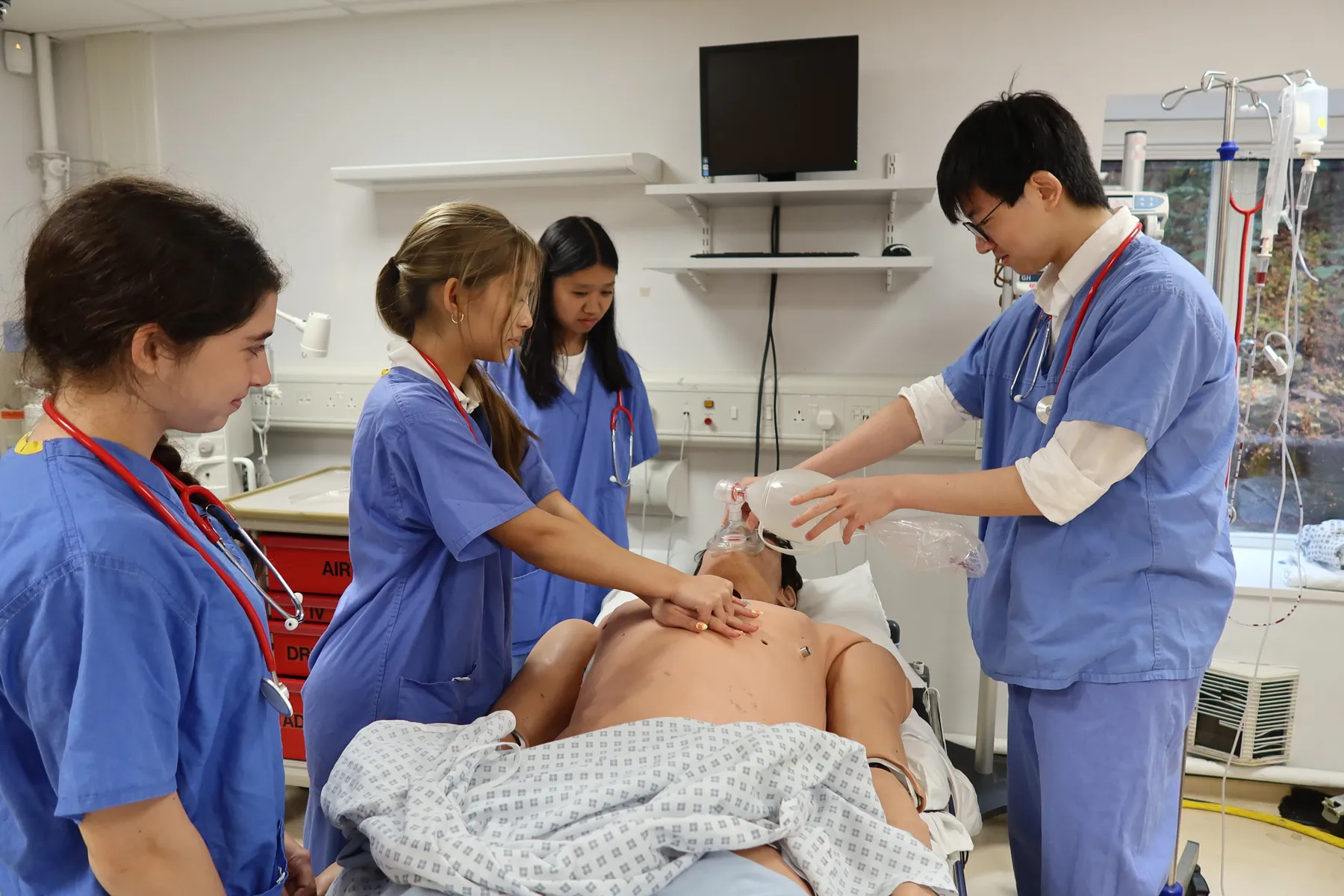
Bursaries and access places are available. If cost is a barrier, get in touch before you apply. We will always try to find a way.
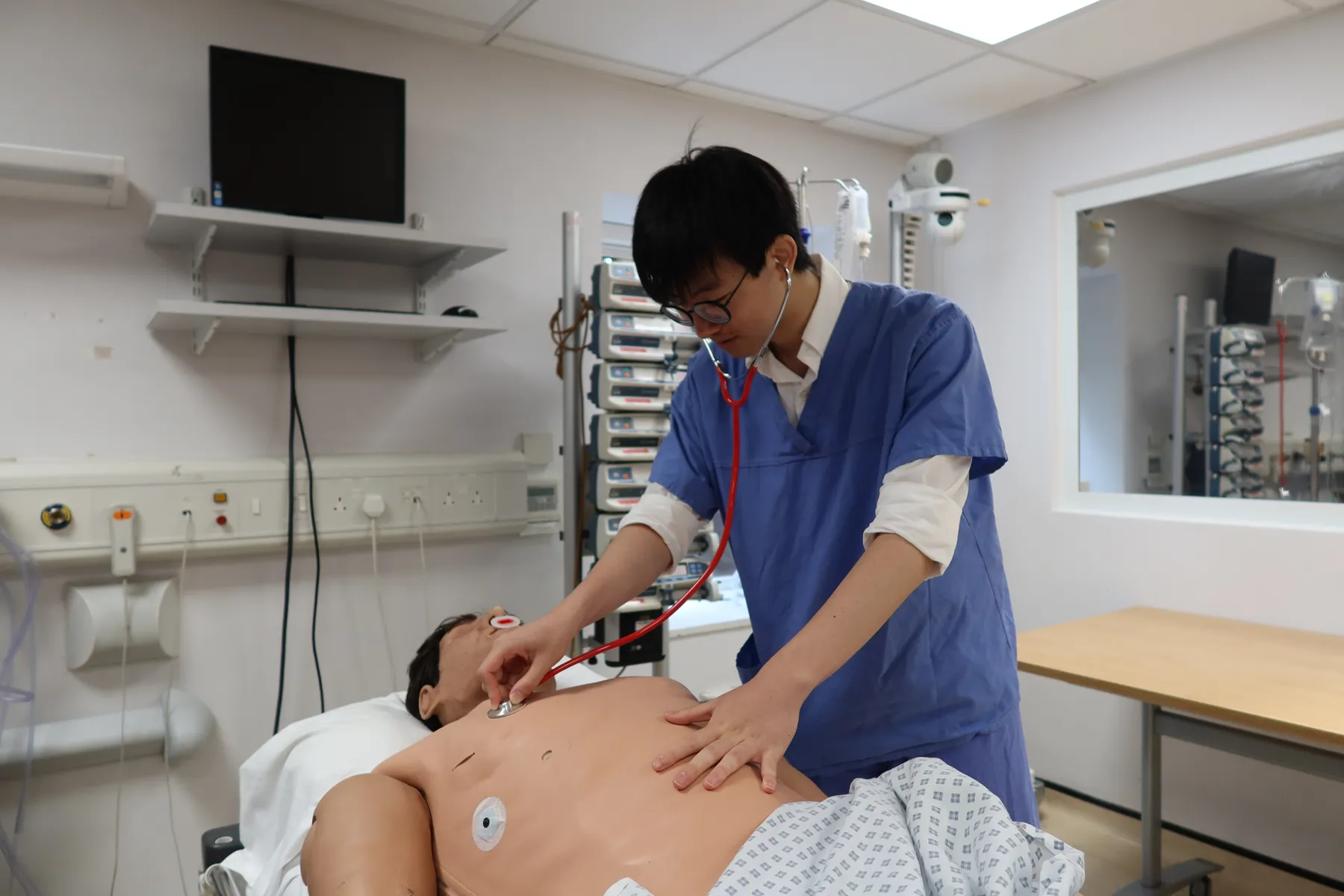
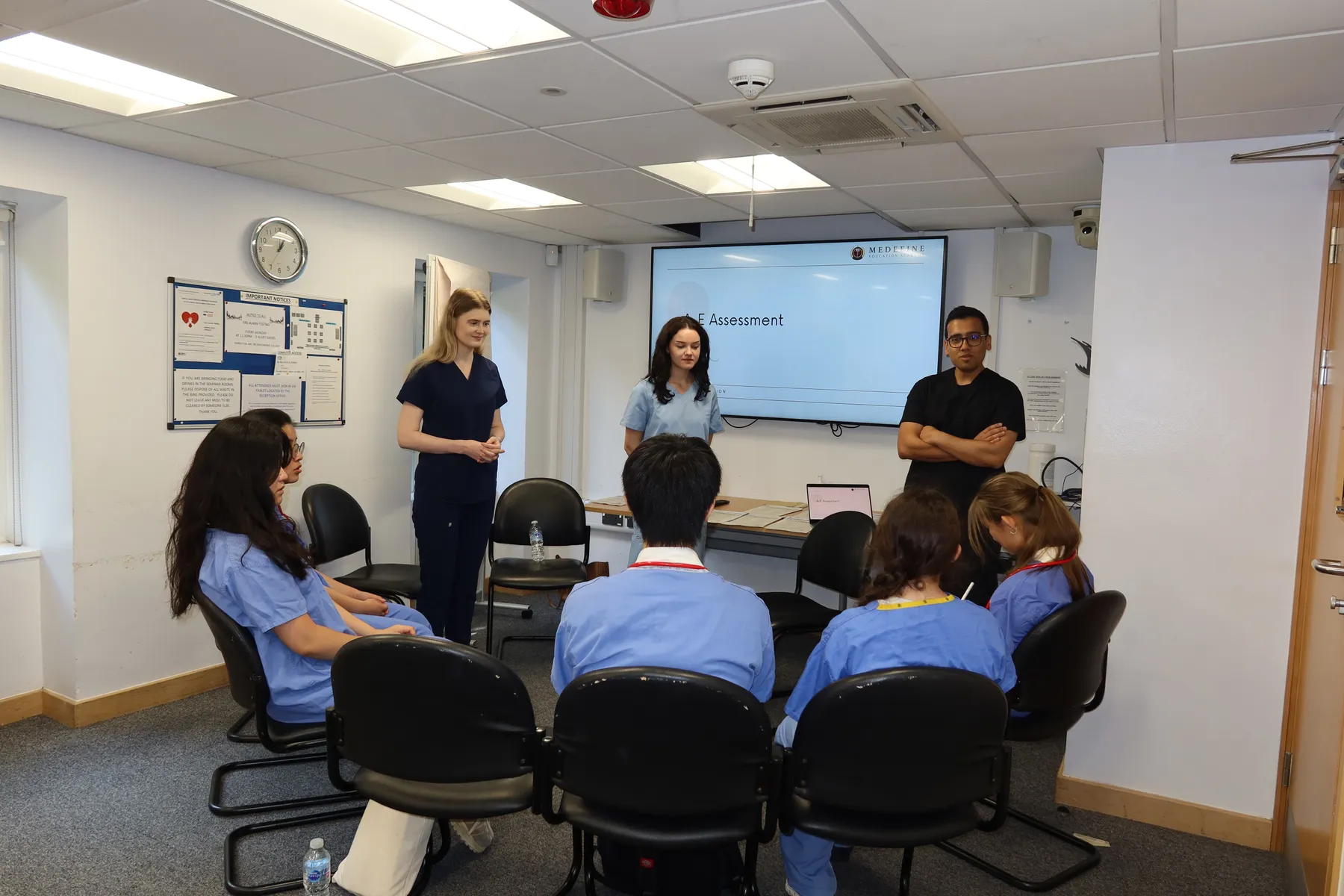
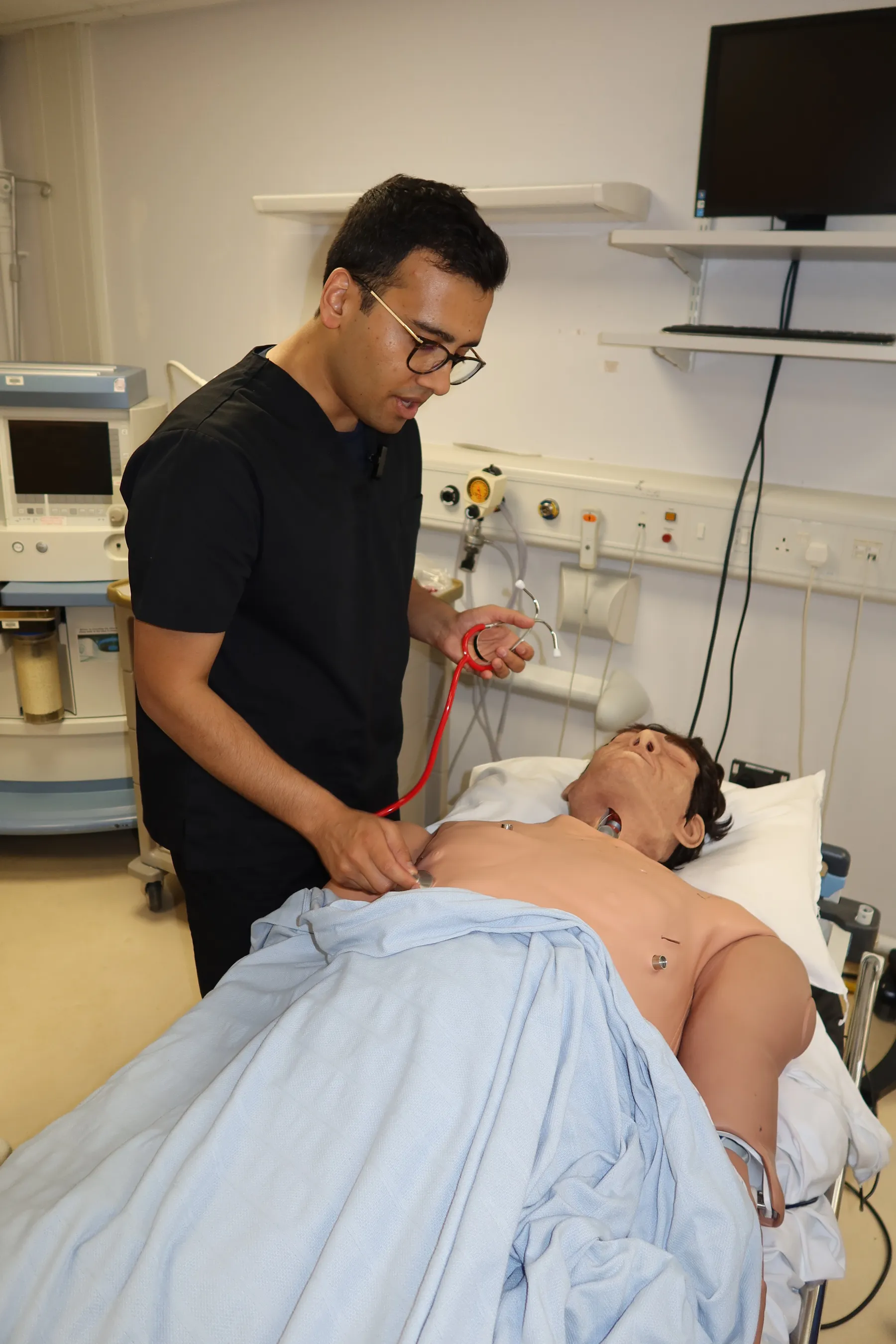
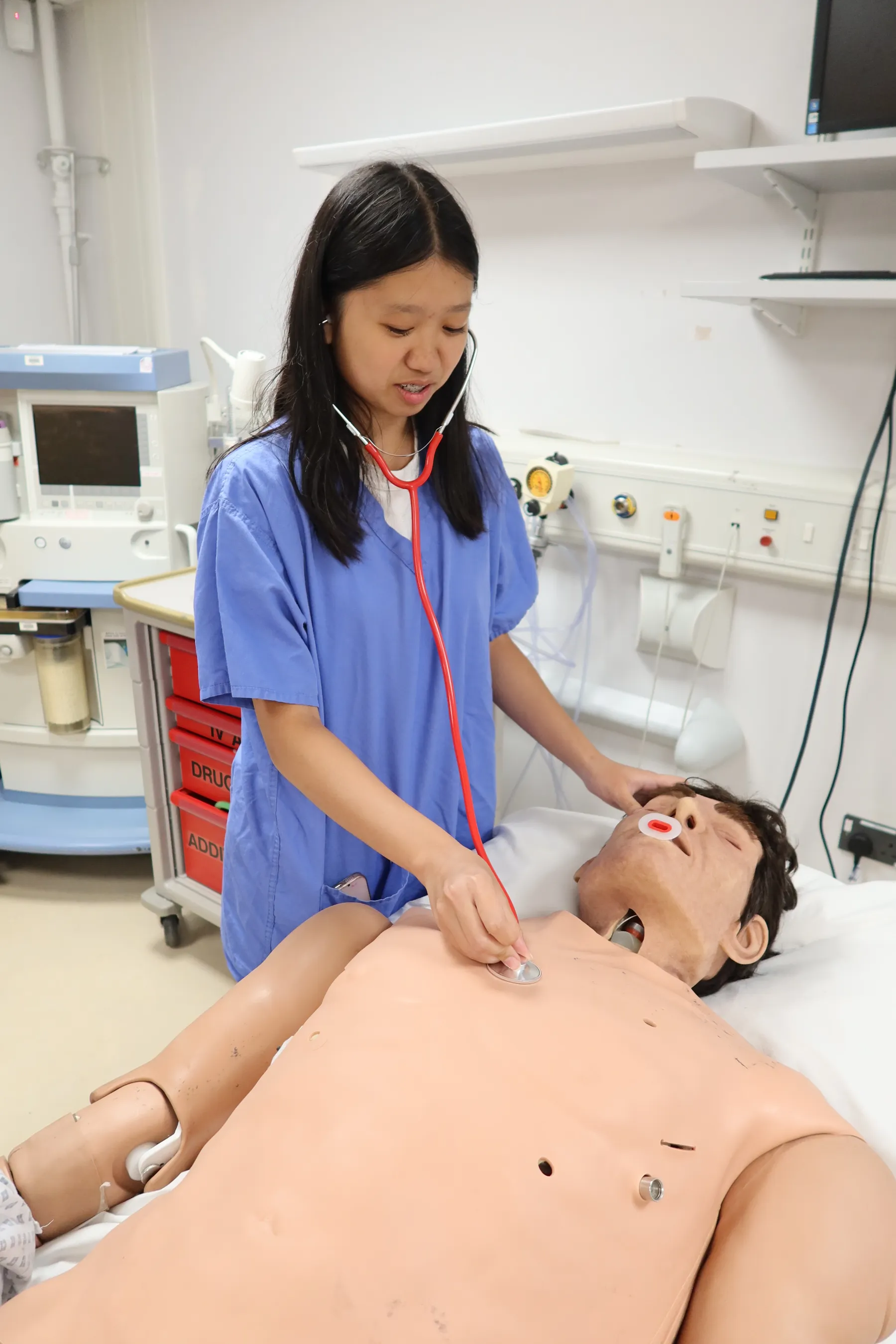
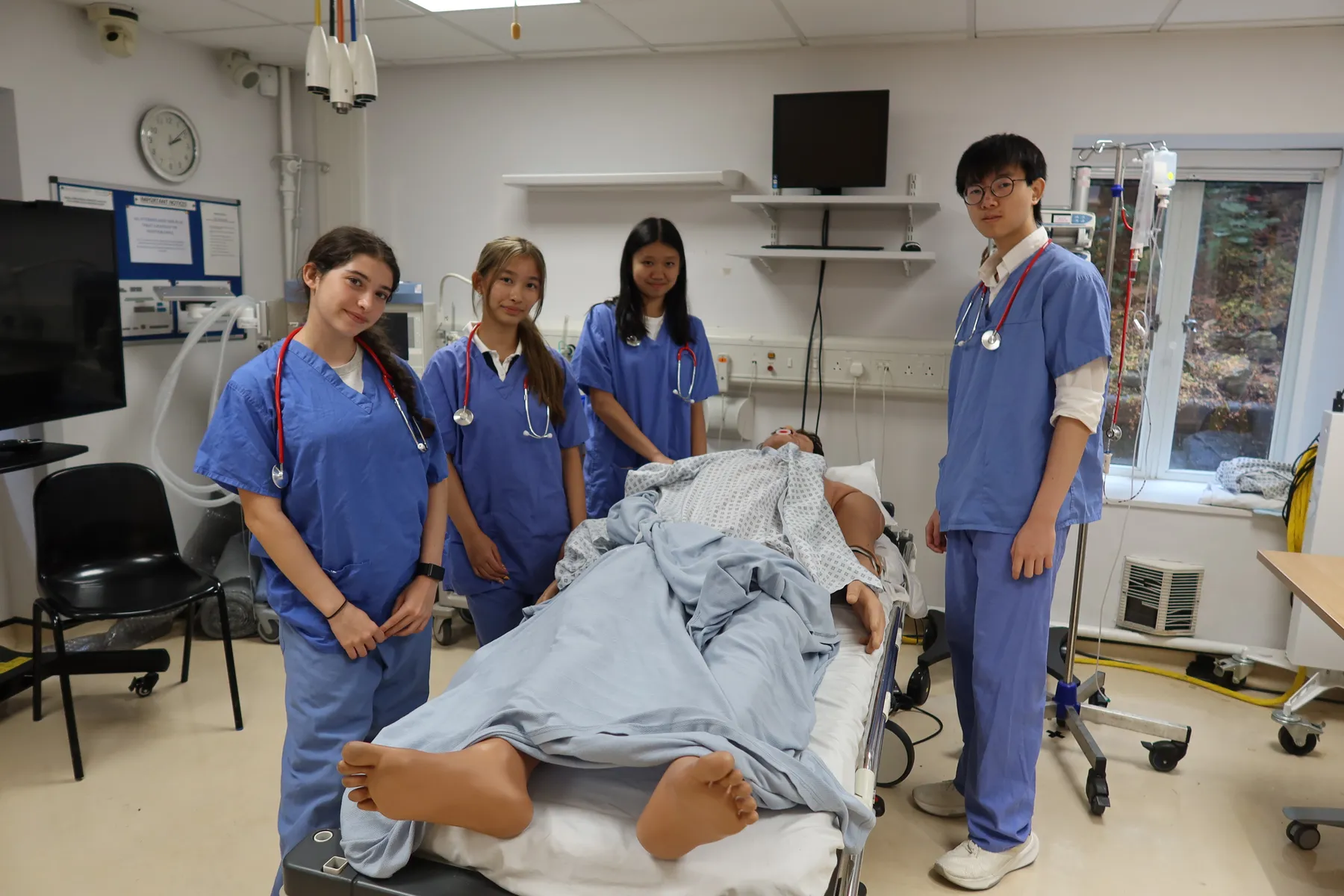
Almost every UK medical school expects clinical work experience. For international students, it's one of the hardest things to get: placements are scarce, competitive, and often impossible to access from abroad. This internship solves that, bringing the clinical thinking, ethics and real practice of the NHS to you, wherever you are in the world.
You're a medical student in the emergency department. Mrs Smith, 79, arrives with worsening chest pain. Her antacids have stopped working, she's noticed black stools, and this morning she vomited blood. She's frightened. What do you do first?
This is an example of a real case you'll work through in the internship.
Instead of watching medicine, you're placed inside it, asking the questions, weighing the clues, and deciding what happens next, with an NHS doctor guiding your reasoning at every step.
We believe that this is the most engaging and effective way to learn how to think like a doctor: not by memorising, but by doing.
Every week takes you deeper into the work of a doctor, building the exact skills medical schools look for, and the confidence that comes from using them for real.
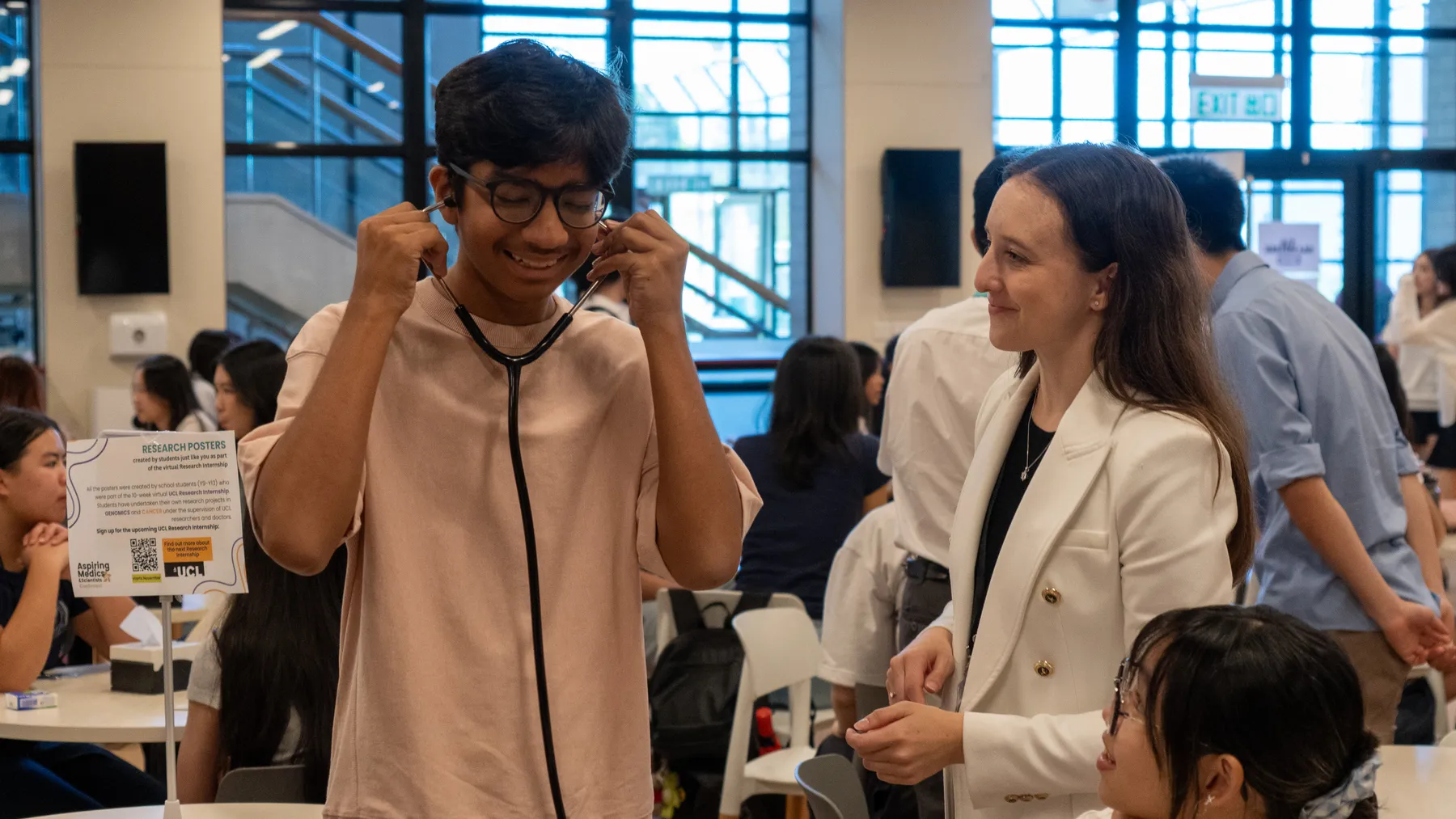
One live session every Sunday at 10am UK time (2pm UAE, 6pm Hong Kong and Singapore). This is based on last year's internship. Final dates, including a break over Christmas, are confirmed when you join.
Meet your doctors and your case group, find out how a ward round works, and make your first decision: which patient do you see first?
Learn the "surgical sieve" doctors use to list possible diagnoses. Each group works on its own case: chronic cough, swollen joints, rash and fever, fatigue and weight loss, breathlessness and fever, or abdominal pain and vomiting.
History taking. Interview a trained patient actor using the same template medical students use, then work out what the answers are telling you.
Anatomy, investigations and results. Which tests would you order for your patient, and what do the blood results and scans actually show?
A patient has deteriorated and the nurse has bleeped you. Learn the ABCDE assessment, spot the red flags and know when to call for help.
Treat, manage with medicines or operate? How doctors decide on a treatment plan, and how the team agrees on it.
Your patient is confused and wants to discharge themselves. Can they? Capacity, consent and how the multidisciplinary team handles a difficult situation.
Prepare an SBAR handover for one of three cases (there is an example below), then compare it with how a doctor would hand the same patient over.
Your group presents its patient from start to finish to a panel of doctors and medical students, and gets feedback on your clinical reasoning.
Write a short, structured reflection on your patient using the Gibbs cycle. Many students use it straight in their personal statement.
Mrs Price, 72, had planned bowel surgery that went well. On her second night the nurse's observations show her heart rate creeping up to 105 and a temperature of 37.9°C. By 2am her heart rate is 118, her blood pressure has dropped and she is confused. The night doctor, covering four wards, isn't called until 6am, when she is diagnosed with sepsis and moved to intensive care.
Your job is to hand her over as if you were the doctor ending that shift.
Built for students in Years 9–13, whether you're certain about medicine or still working out if it's for you.
You'll arrive at interviews with clinical experience to draw on, genuine NHS insight, and the confidence of having reasoned through real cases with real doctors.
There's no better way to find out than to experience it. You'll get an honest feel for what clinical medicine involves, so your next decision comes from informed understanding.
Most applicants have grades and shadowing. Few can say they've worked through live cases with NHS doctors, presented to a clinical panel, and earned a certificate signed by them.
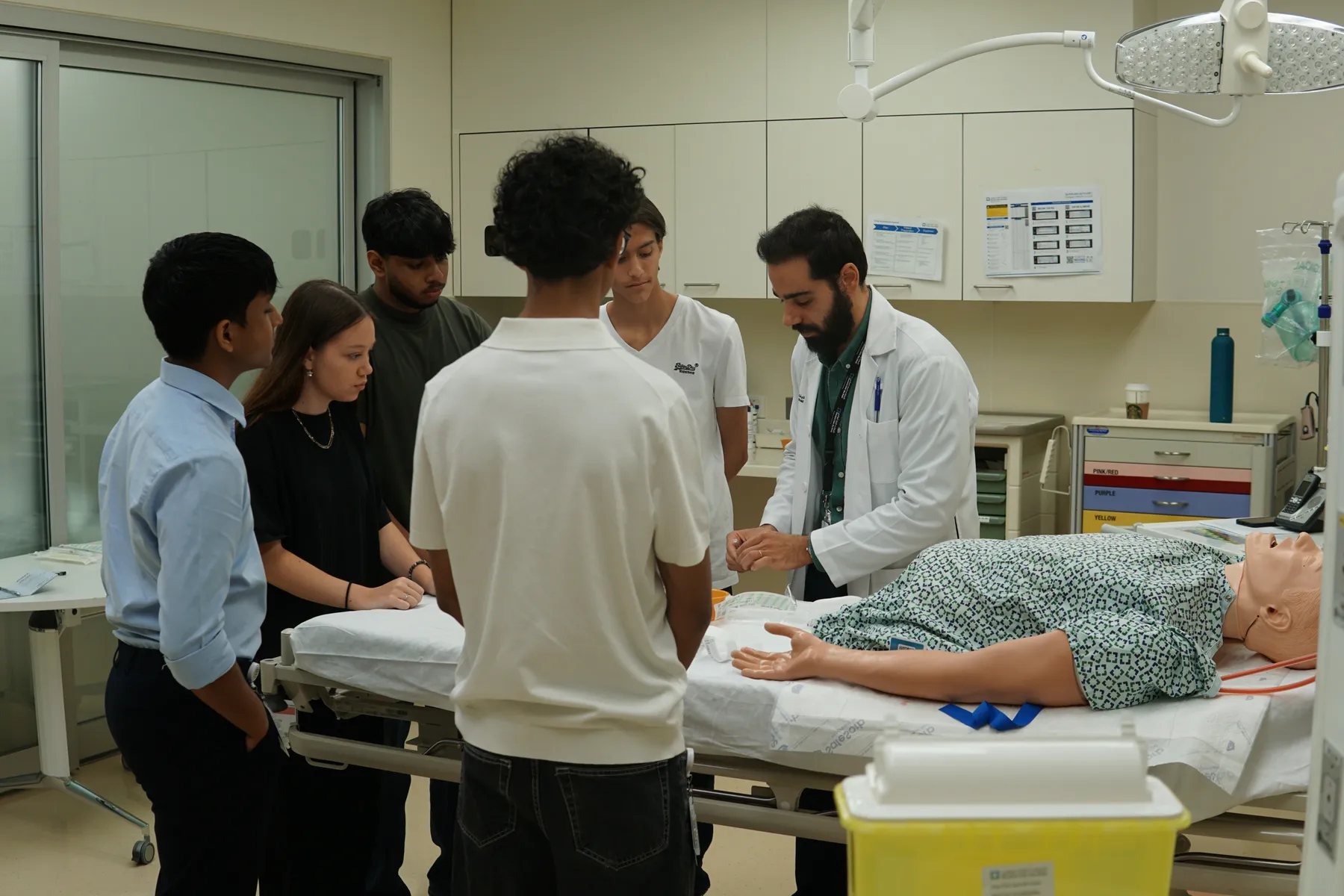
By the end, you'll have more than a certificate. You'll leave with a certificate signed by NHS doctors and four pieces of work of your own:
You'll also have real experience to draw on in your personal statement and interviews, and a clearer sense of whether medicine is the path for you.
“I had no idea how to practise talking to patients, which can come up at interviews. Speaking to patient actors with Medefine really boosted my confidence.”
“The internships helped me learn how to break bad news, work better in a team and understand what different healthcare professionals actually do.”
“My internship helped me choose universities that teach through problem-based learning, and reinforced how much I enjoy working across disciplines.”
“I learned about social prescribing and treating the whole person. It showed me doctors need to be compassionate and emotionally intelligent, not just knowledgeable.”
The things students and parents ask us most about the Clinical Internship.
Students aged 13 to 18 (Years 9 to 13) who are thinking about medicine or another clinical career. No previous experience is needed.
Online, live on Sundays for 10 weeks from 22 November 2026: 10am UK time, which is 2pm in the UAE and 6pm in Hong Kong and Singapore.
Take histories from trained patient actors, work through cases in small groups with NHS doctors, discuss ethics, and present a case to a clinical panel.
You practise with trained patient actors, the same way UK medical students do. It is online, so there is no hospital contact.
Sessions are recorded so you can catch up, but we ask you to come live whenever you can, as that is where the case work happens.
A certificate signed by NHS doctors and guidance on how to write and talk about the experience in your application.
Yes. We offer bursaries and access places. Get in touch through our contact form before you apply.
Ten weeks of live cases with NHS doctors. No previous experience needed.
Bursaries and access places are available. If cost is a barrier, get in touch before you apply.