Learn from UCL researchers
Live sessions with academics who do medical research for a living. They take you from a first idea to a finished project, step by step. No research experience needed.

Ten weeks, live online with researchers from University College London. You'll design and complete your own medical research project from home, with guidance at every step.


Our paths have crossed with:









You'll learn how medical research really works, dig into topics like genomics and personalised medicine, and finish with a project of your own. You can then submit it to an international student research journal.
You don't need any research experience. We start from the basics, and by week 10 you'll have a project you can talk about with confidence in your personal statement and interviews.
Book your place
Bursaries and access places are available. If cost is a barrier, get in touch before you apply.
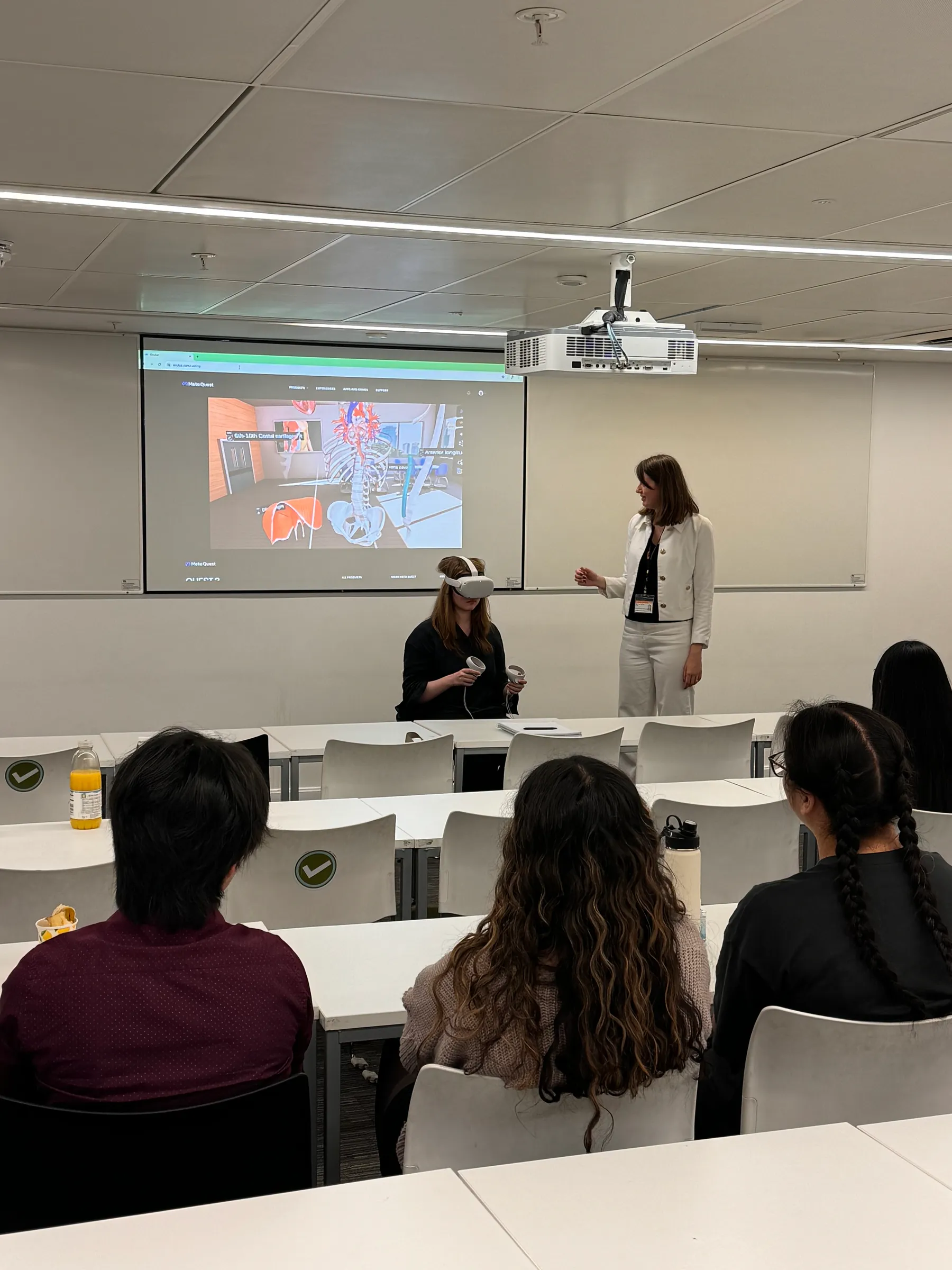
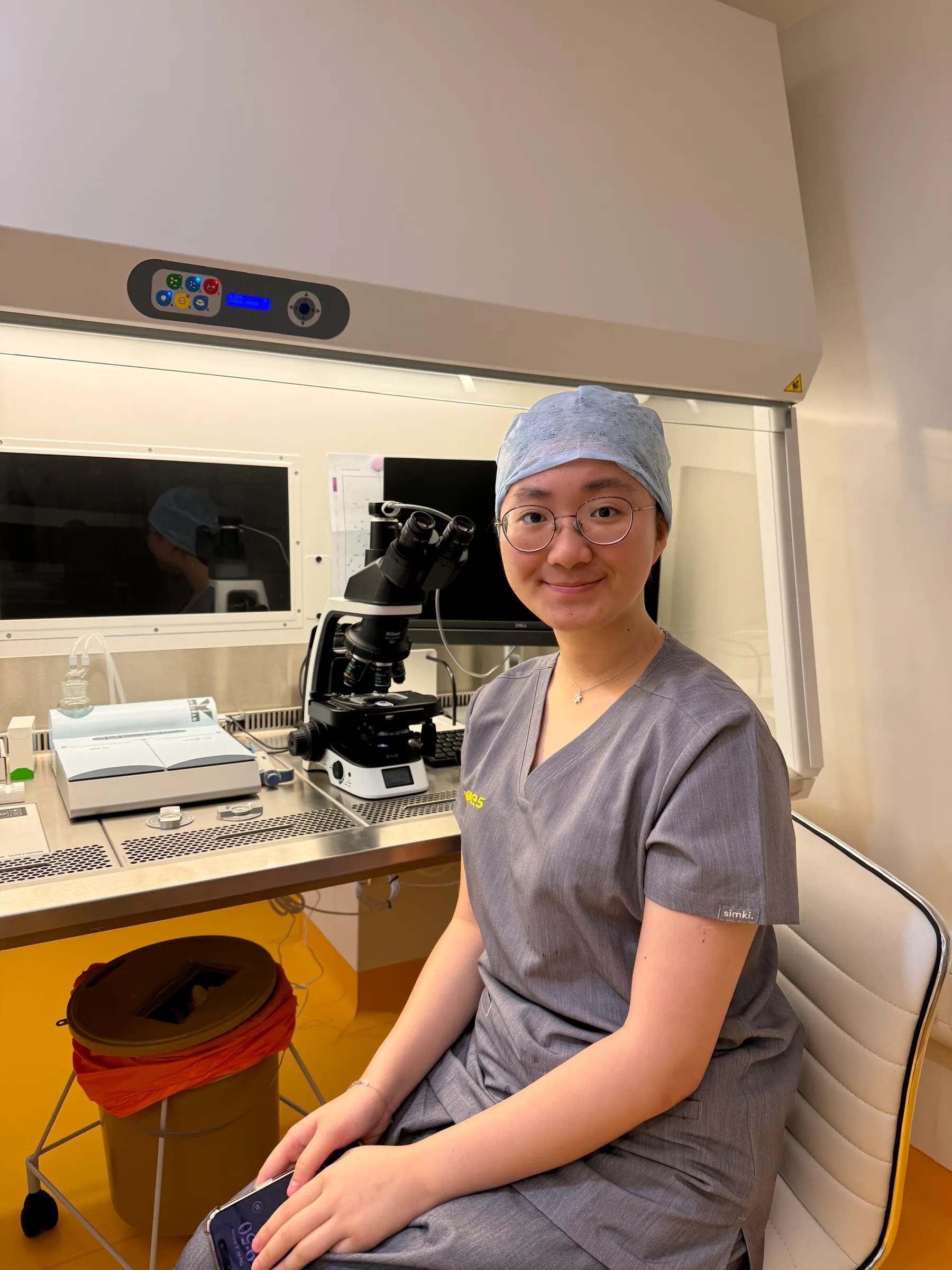
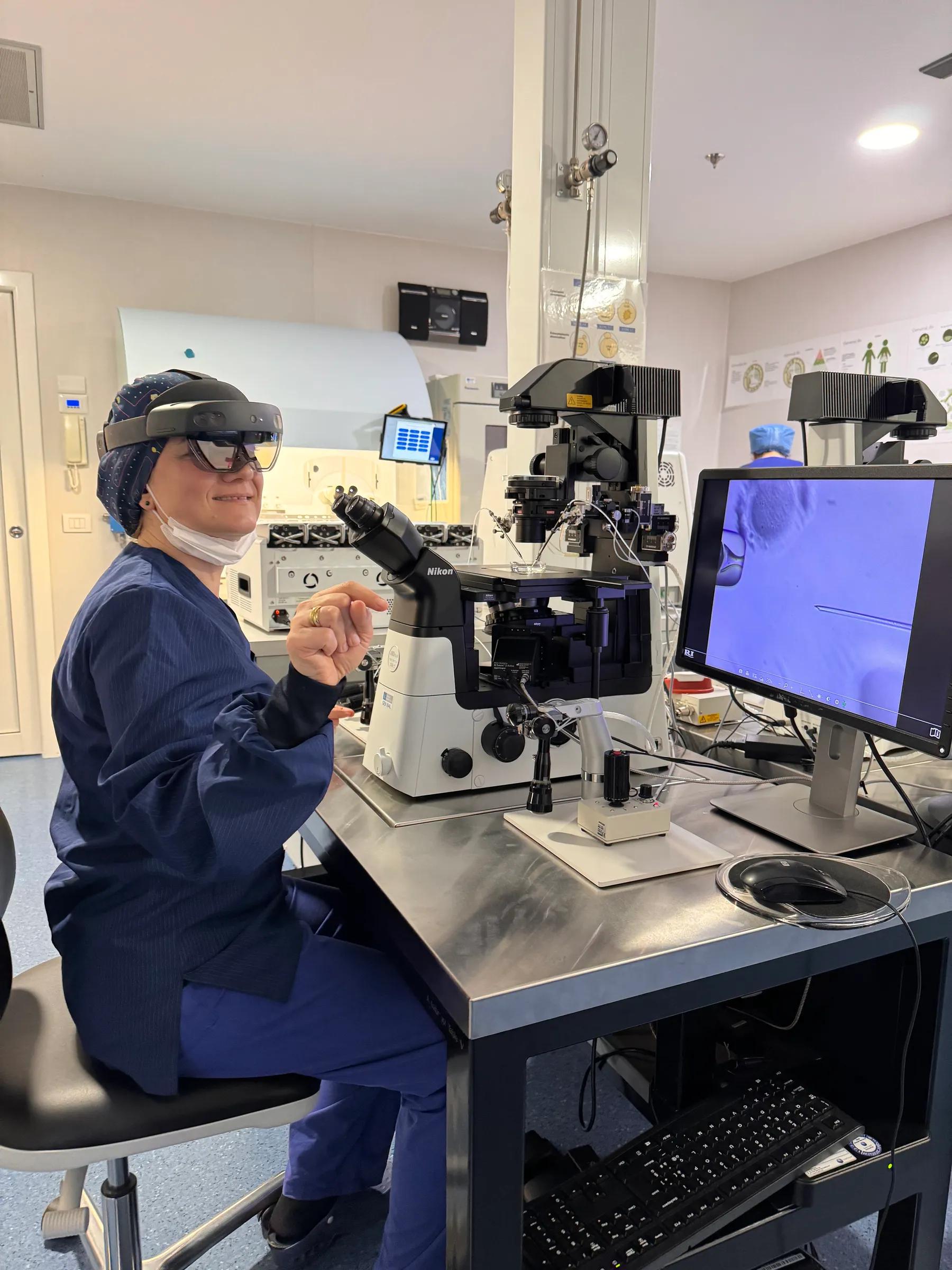
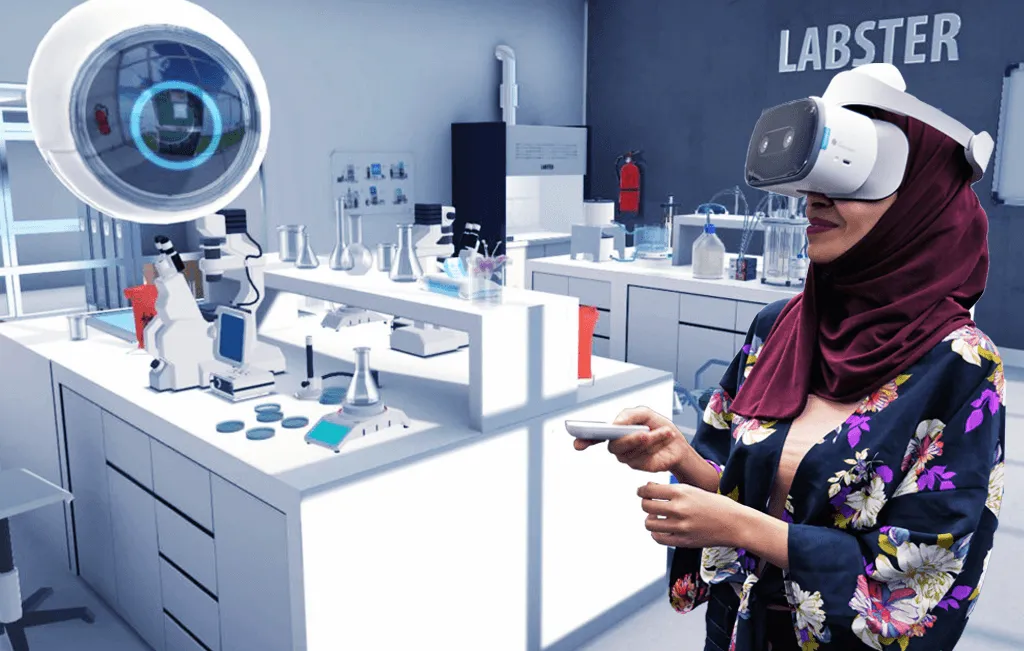
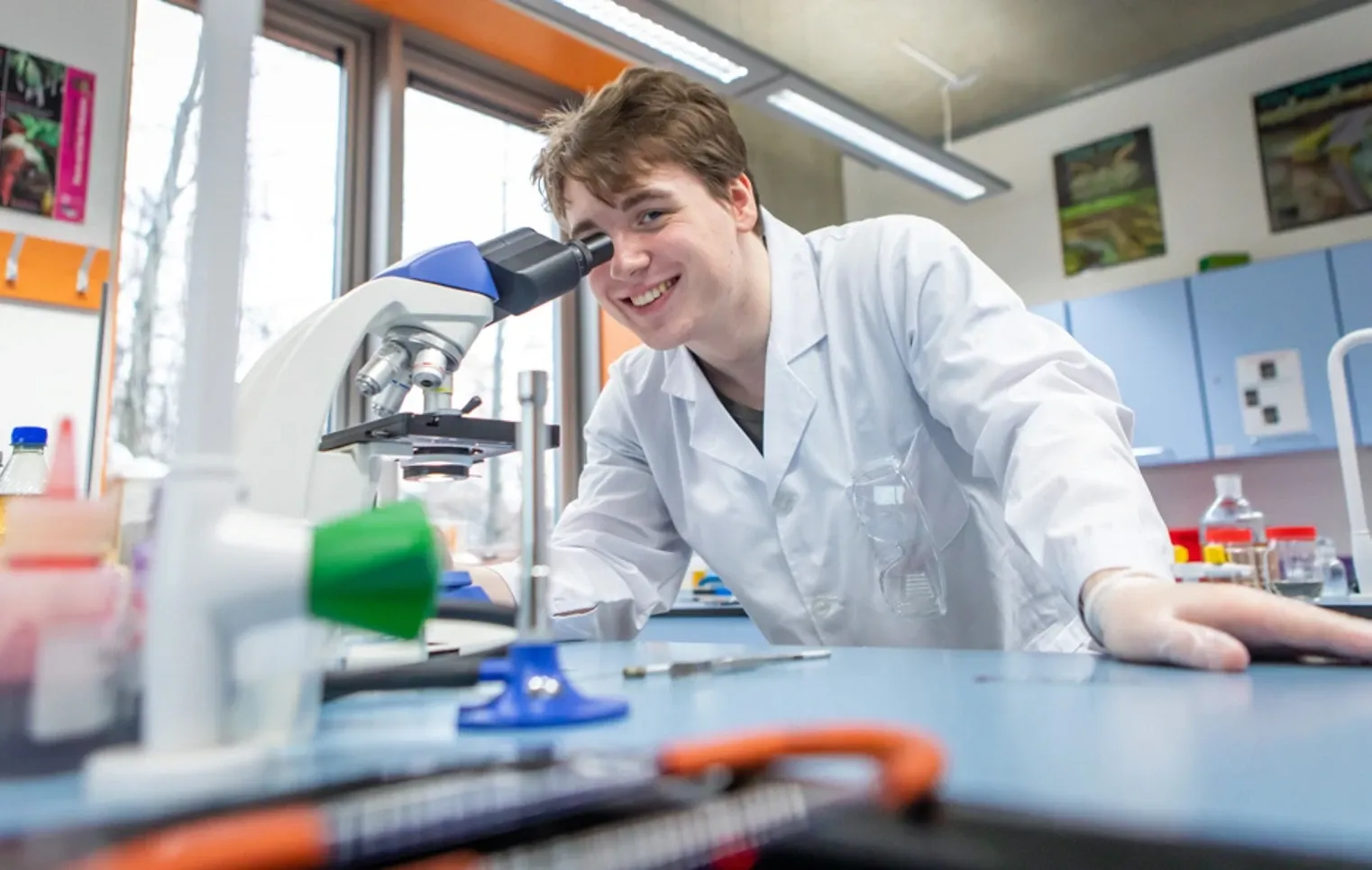
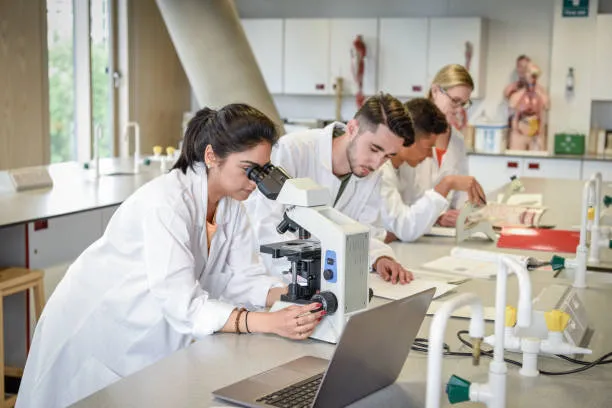
Every new cancer drug and every genetic test started as somebody's research question. Most students applying to medicine have never seen how that work is done. This is your chance to try it yourself, with people who do it every day.
Live sessions with academics who do medical research for a living. They take you from a first idea to a finished project, step by step. No research experience needed.
Search research databases, read papers properly and judge the evidence. Then use those skills on a question you choose yourself.
Find out how genetics is changing diagnosis and treatment, and take a virtual tour of one of the largest genomics labs in the world.
Turn your project into an academic poster and learn to explain it to scientists and to patients. Both are skills medical schools look for.
Your poster goes up in our Research Metaverse gallery, and you can submit it to an international student research journal.
A certificate of completion and a letter of support from UCL academics, ready for your personal statement and interviews.
Academic posters and patient leaflets made by past students. Click any of them to read it in full.
Admissions tutors can tell when a student has really done something. You will have a project, a poster and a letter of support to show for it.
Reserve your placeOne live session every Sunday at 10am UK time (2pm UAE, 6pm Hong Kong and Singapore), plus your own research in between. It fits around school.
Discover how scientific research drives advances in healthcare, from new treatments to personalised medicine, and explore what medical researchers actually do.
Discover how DNA and genetic mutations influence health and disease, and how advances in genomics are transforming modern medicine. Explore how scientists use genetic information to diagnose diseases, predict health risks and develop personalised treatments tailored to individual patients.
Learn how to access scientific databases, find and critically appraise research papers, and assess the quality and reliability of scientific evidence. Discover how doctors and researchers use evidence-based medicine to make informed clinical decisions and guide patient care.
Explore different areas of medicine and biosciences to choose a topic that interests you. Learn how to turn your ideas into a focused research question and develop a clear plan for your independent project.
Take a virtual tour of one of the world's largest genomics laboratories. Discover how scientists sequence and analyse millions of DNA samples, identify genetic mutations and use this information to advance medical research.
Learn how researchers communicate scientific findings and develop your own academic research poster with step-by-step guidance. Build the skills to present complex scientific information clearly and confidently.
Explore how research is conducted in real clinical and academic settings through a session with an Oxford doctor and researcher. Discover how research questions arise, how studies are developed and how findings can influence patient care.
Join a doctor and researcher from Imperial College London to explore how scientific discoveries translate into clinical practice. Learn about the challenges of conducting research and the role doctors can play in advancing medicine.
Explore how artificial intelligence and advances in genetics are transforming healthcare. Discover how emerging technologies are helping researchers understand disease, improve diagnosis and develop more personalised treatments.
Present your completed research project in our virtual Metaverse Research Gallery and celebrate your achievements. Learn how to reflect on your research experience, identify the skills you've developed and bring everything together into a compelling personal statement and university application.
The order of sessions may change slightly to fit around our guest speakers.
Students aged 14 and over, anywhere in the world, with an interest in medicine, biosciences or healthcare research.
Going beyond grades and standard work experience. A finished research project shows curiosity and independent thinking, which is exactly what top medical schools want to see.
Heading for Biomedical Sciences, Genetics or Biotechnology? You get hands-on research skills before you even start your degree.
Interested in science or healthcare but not sure which way to go? See what doctors and researchers actually do before you choose.
I really liked learning about the future of medicine, and I finally understood how to read medical papers, which I always found daunting. I learned about a completely new area of medicine too.
I really enjoyed the virtual tour of the lab. I learned a lot from the different doctors, especially about genomics, and it was great to hear about their research and careers.
The personal feedback was a highlight. The mentors were approachable and their advice helped me sharpen my work and ideas.
My favourite session was learning to critically appraise a research paper. It will help in university interviews, and I'm already using it in my other projects.
The things students and parents ask us most about the Research Internship.
Students aged 14 and over (Years 10 to 13) who are interested in medicine, biosciences or healthcare. You do not need any research experience.
Online, on Sundays from 10 to 11am UK time (2pm in the UAE, 6pm in Hong Kong and Singapore), for 10 weeks from 22 November 2026.
Every session is recorded, so you can catch up. We do expect you to come live when you can, because that is where the feedback happens.
Your own research project on a question you choose, written up as an academic poster. Past topics include skin cancer genetics, glioblastoma and ALS.
Both. You work on your own project with regular feedback from doctors and researchers, and discuss ideas in small groups.
A certificate, a letter of support from UCL academics, a place in our Research Metaverse gallery and the option to submit to a student research journal.
Yes. We offer bursaries and access places. Get in touch through our contact form before you apply.
Ten weeks online with UCL researchers. No research experience needed.
Bursaries and access places are available. If cost is a barrier, get in touch before you apply.