Inside our community
Students, parents, mentors and doctors who learn from each other at conferences, seminars and online.
See what we get up to
Students, parents, mentors and doctors around the world, and the work they do together.
The people inside it, and the difference they make outside it.
Students, parents, mentors and doctors who learn from each other at conferences, seminars and online.
See what we get up toHealth projects our students run in their own schools and neighbourhoods, linked to the UN Sustainable Development Goals.
See student projectsStudents, families, mentors and doctors who take medicine seriously and look out for each other. Here are some of the things we do together.
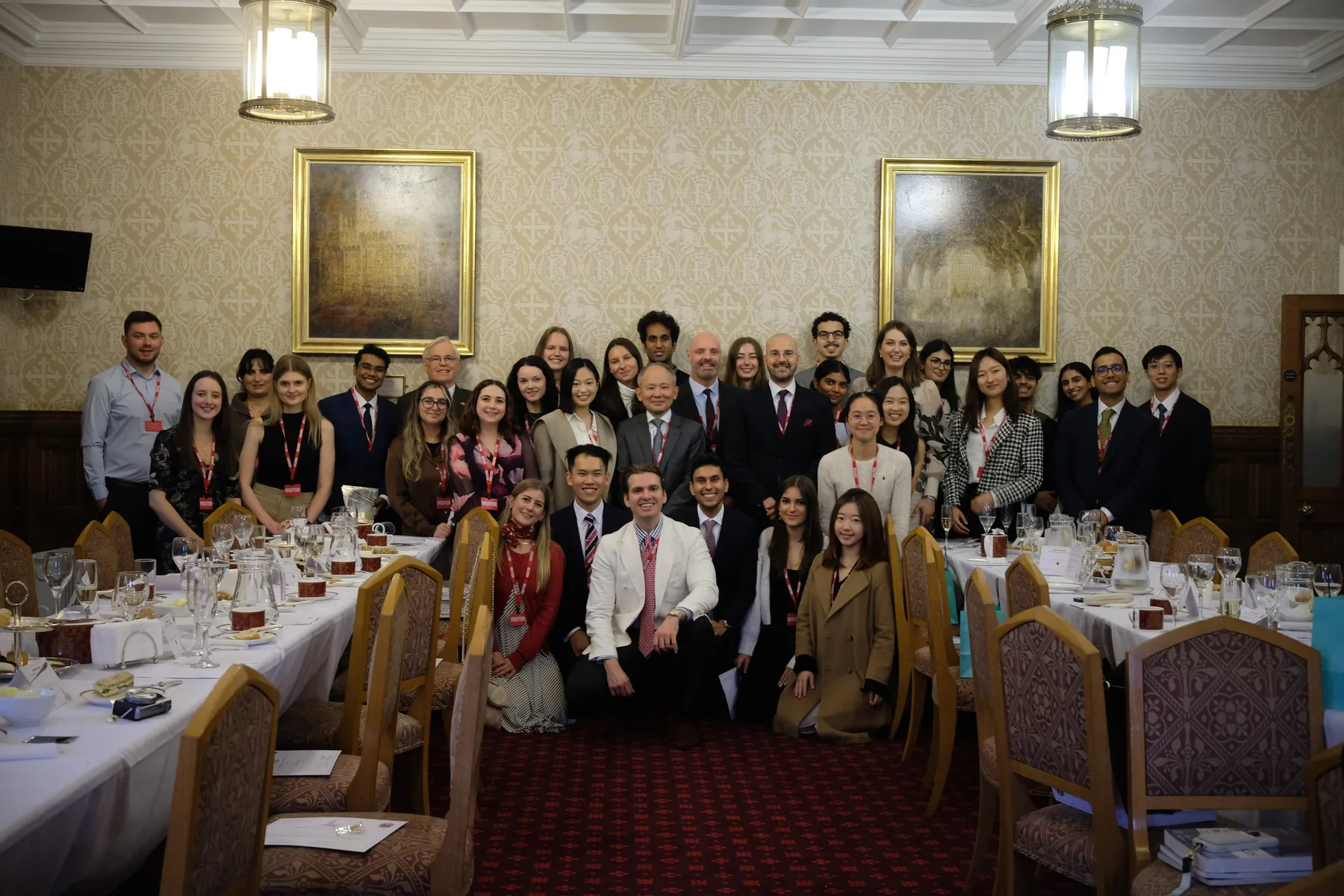
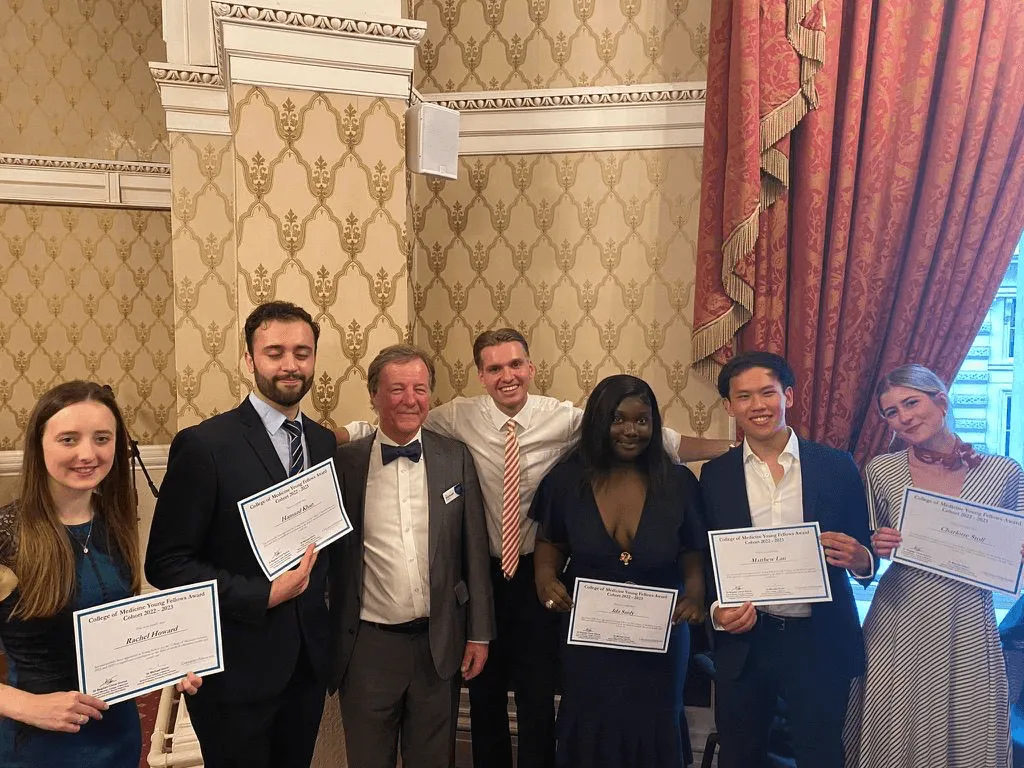
Each year, we bring together Academy students, senior doctors, Royal College leaders and directors from multinational organisations for an evening focused on medicine, leadership and healthcare policy.
Students gained direct insight into the skills required to lead in healthcare, while also connecting with mentors, peers and professionals who are shaping the future of the field. It reflected one of the core aims of the Medefine community: giving students access to rooms, conversations and opportunities that would otherwise be difficult to reach.
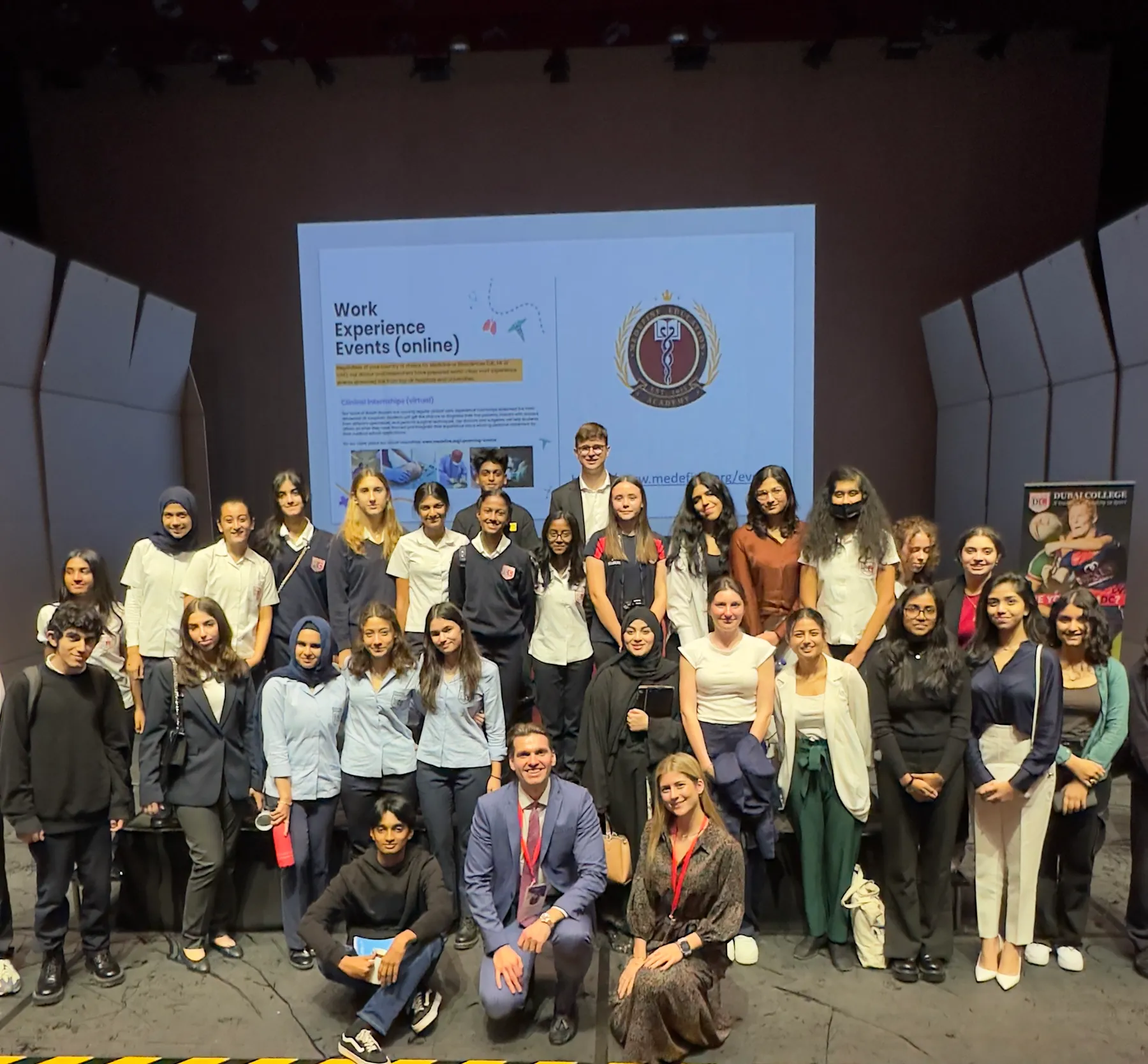
Our regional Aspiring Medics committees are made up of dedicated students who are passionate about making medicine and science more accessible to their peers.
Across each region, committees of over 20 students help organise events, connect schools and run outreach for aspiring healthcare professionals.
These committees give students the chance to lead, collaborate and create meaningful opportunities for others, while building a strong peer network of future medics, scientists and healthcare leaders.
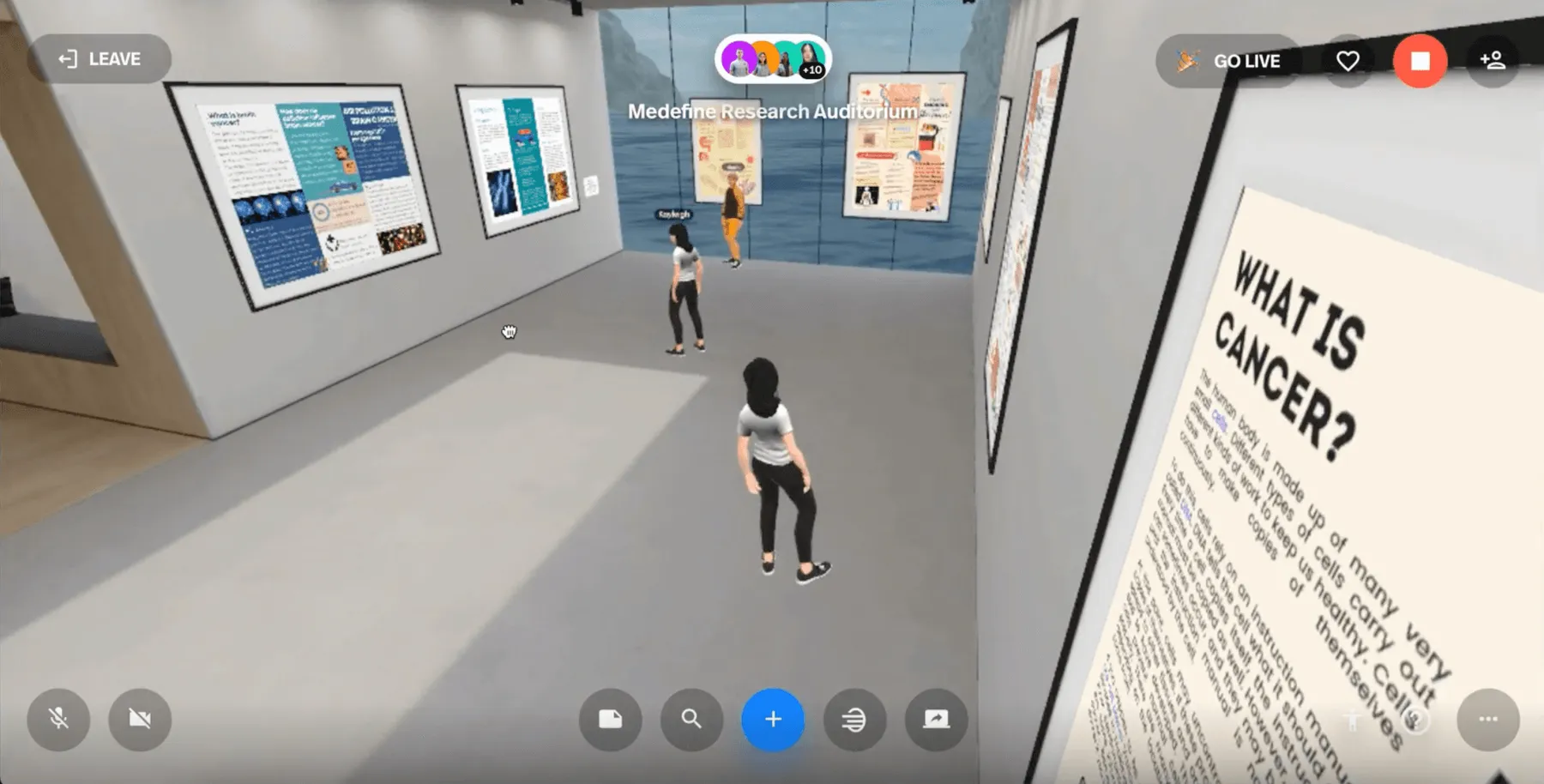
Our online academic poster conferences allow students to submit, display and present their research in a dedicated virtual conference space. Attendees move through the digital auditorium, explore student posters and engage with work produced by aspiring medics and scientists from across our community.
These events give students an accessible way to experience academic conferences, receive recognition for their work and develop the skills needed to present research clearly and professionally.
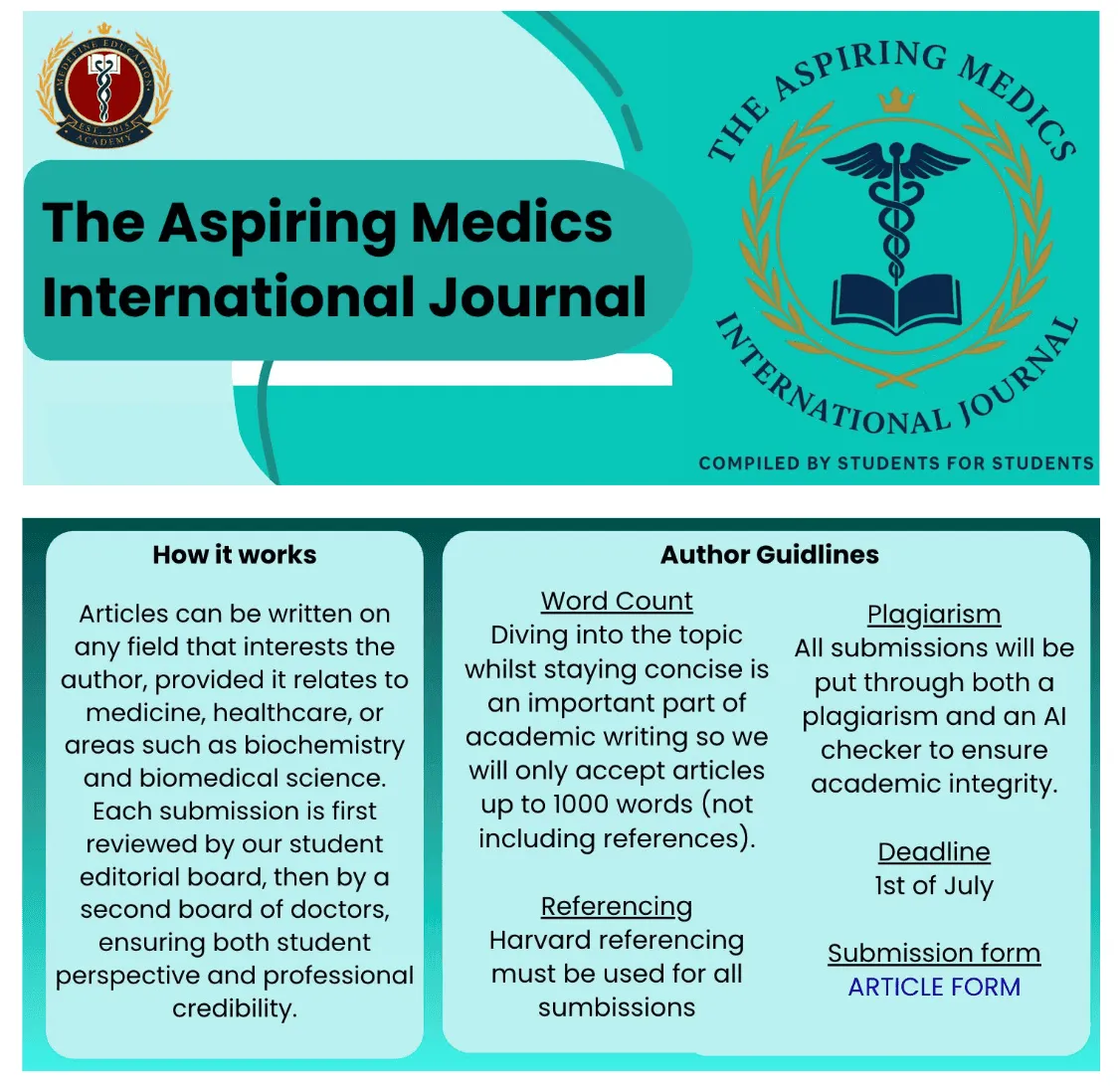
The Aspiring Medics International Journal is a student-led, doctor-supported publication created to give aspiring medics a platform to share their academic interests, research and healthcare-related projects.
Submissions are reviewed by a student editorial board before being assessed by doctors, helping students develop confidence in academic writing, critical thinking and professional communication.
It gives young people the chance to move beyond simply reading about medicine and science and begin contributing to the conversation themselves.
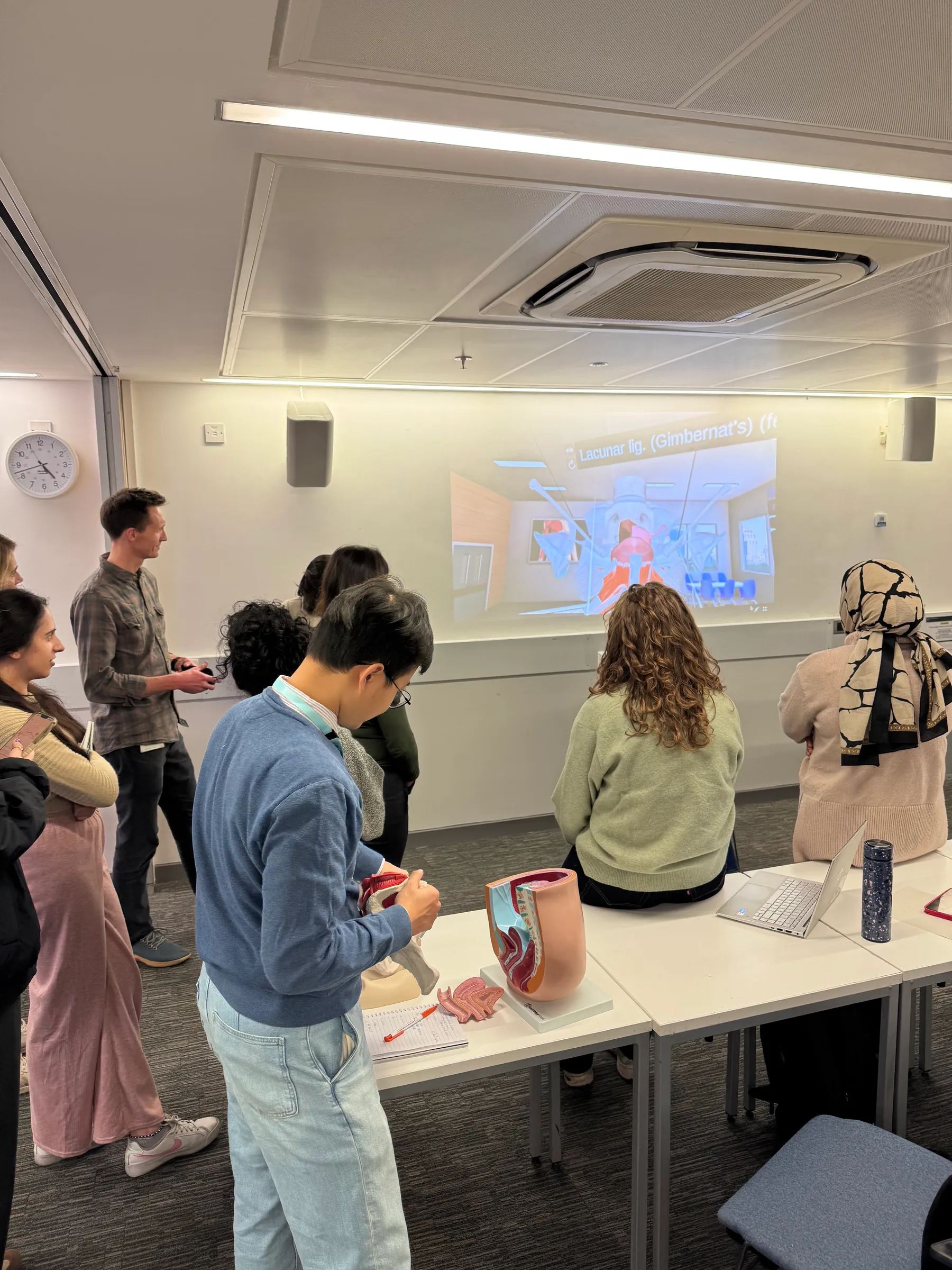
Our seminars and tutorials use hands-on demonstrations, including virtual reality, to make anatomy and clinical skills easier to understand. Students often run them in their own schools afterwards.
Every student project below supports at least one of the United Nations Sustainable Development Goals, shown on each project.
Every Academy student leads a health project, and many take them into their own schools and neighbourhoods. Here are a few of them.
First Aid 101 was created by one of our students after recognising a major gap in basic first aid knowledge among young people. The project delivers accessible first aid teaching in schools, equipping students with practical skills that could help them respond confidently in emergency situations.
The initiative has now reached 80+ schools across 7+ countries, helping to make essential health education more widely available to young people around the world.
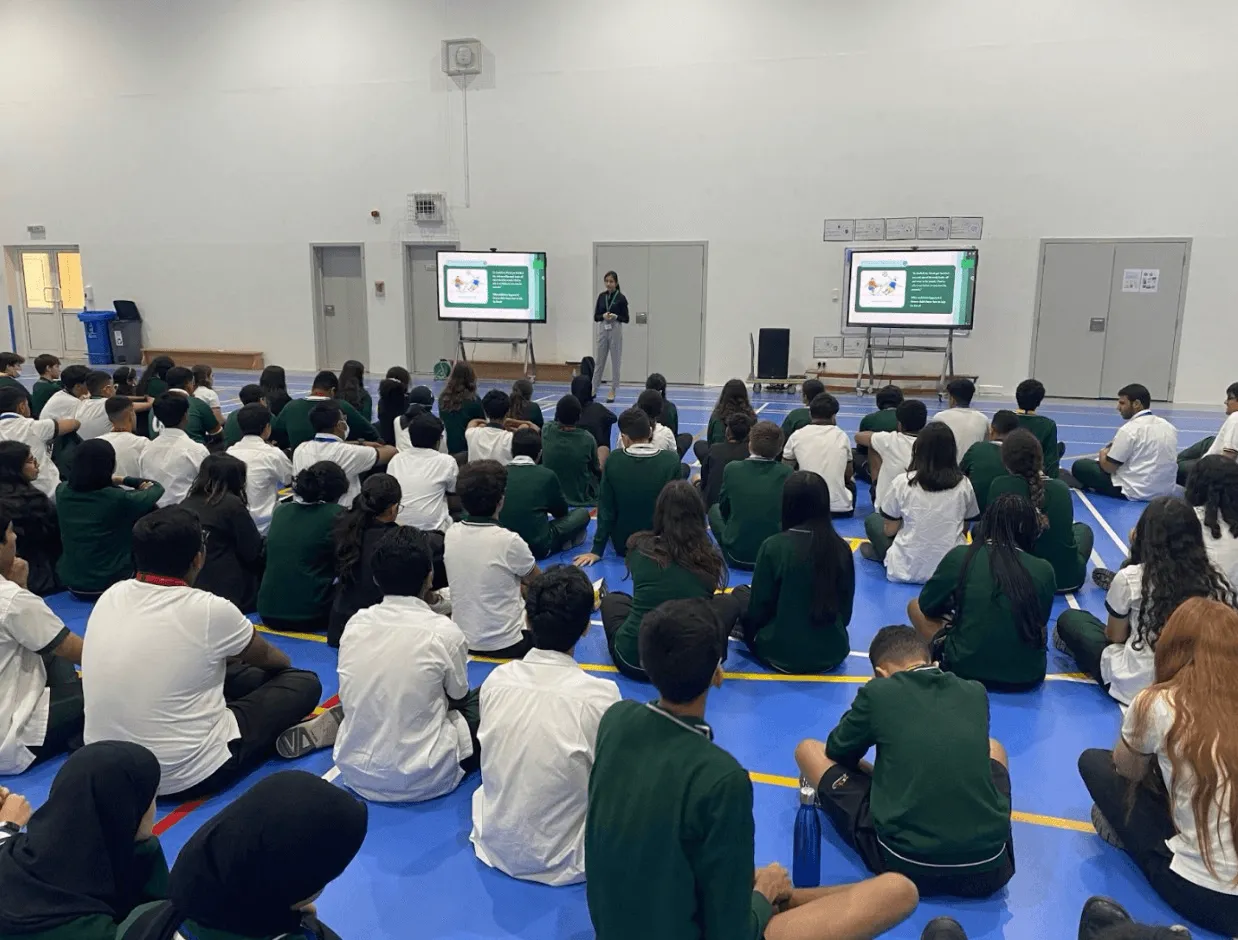
This student-led public health campaign was developed in response to concerns around overprescribing and the wider impact it can have on patients, healthcare systems and antimicrobial resistance.
Students worked to raise awareness of responsible prescribing, patient education and the importance of using medicines appropriately. The project encouraged communities to think more critically about healthcare consumption and the role individuals can play in supporting safer, more sustainable healthcare.
This project was created by one of our students to address the lack of accessible, practical nutrition guidance for young athletes. The cookbook provides simple, balanced and performance-focused meal ideas designed to help student-athletes understand how food affects energy, recovery and long-term health.
By making sports nutrition more approachable, the project helps bridge the gap between health education and everyday choices for young people.
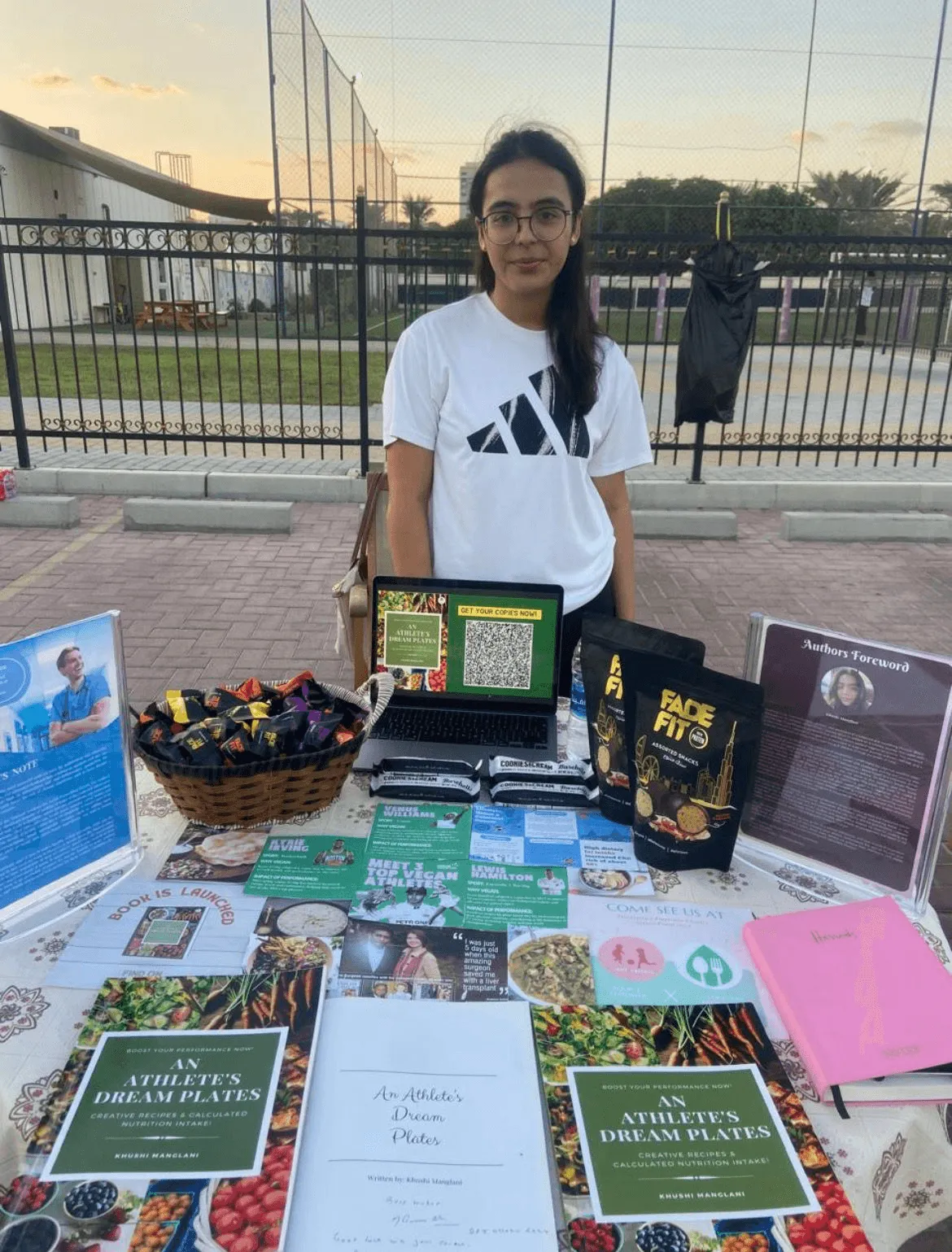
Through community health promotion projects, our students support charities and local organisations working across areas such as social prescribing, nutrition, mental health and preventative healthcare.
These initiatives give students the opportunity to contribute directly to public health, whether by raising awareness, supporting campaigns or helping fund community-based services. They also help students understand how health is shaped not only by hospitals and doctors, but also by education, environment, access and social support.
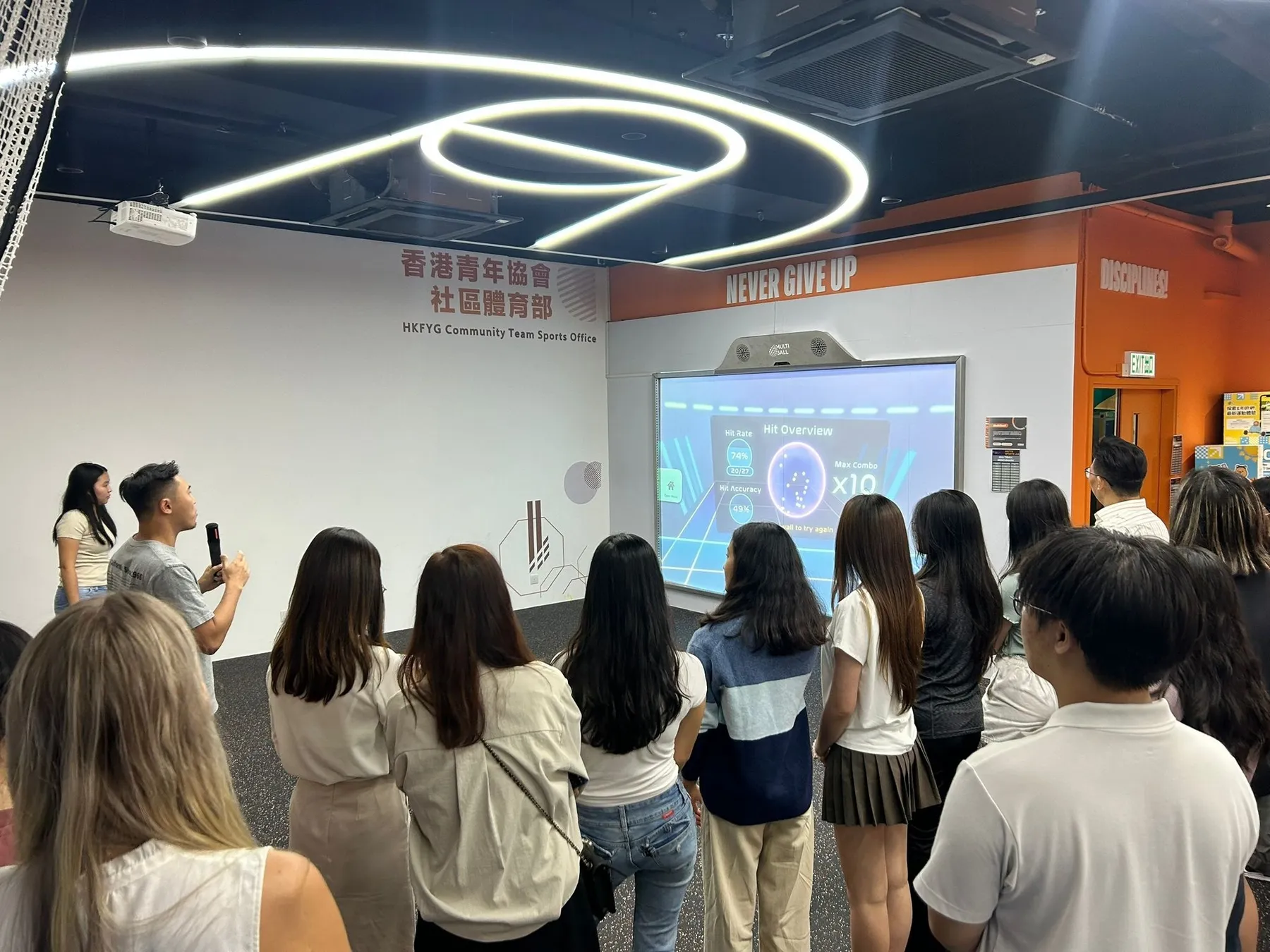
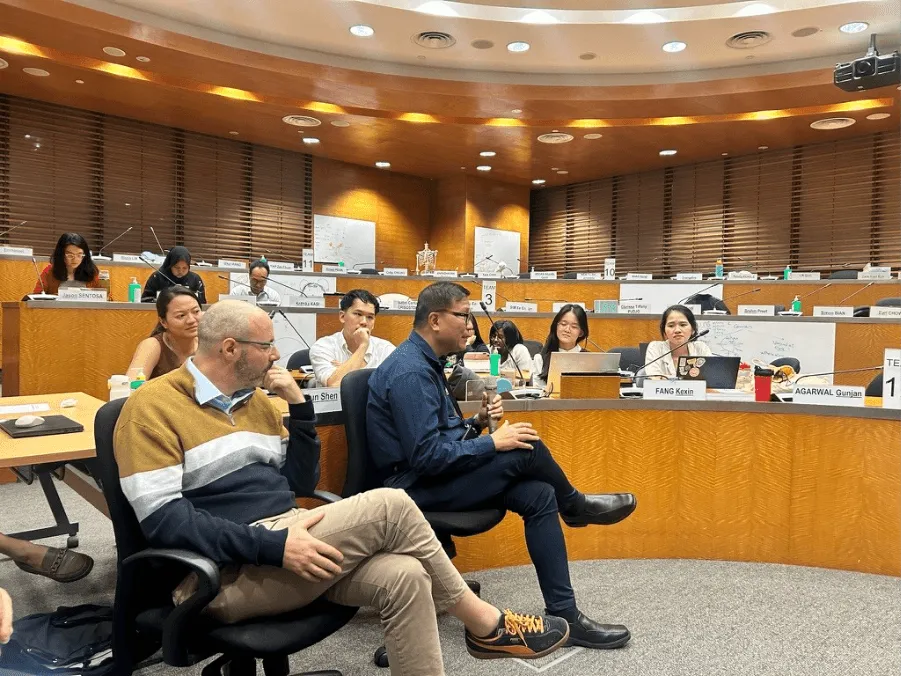
Our public health roundtables bring together students, clinicians, educators and community leaders to explore how healthcare systems can better support local populations.
In Singapore, students examined how community health facilities, sport and health education can be used to improve wellbeing at a population level. These discussions encouraged students to think beyond individual patient care and consider the policies, partnerships and infrastructure needed to strengthen public health across society.
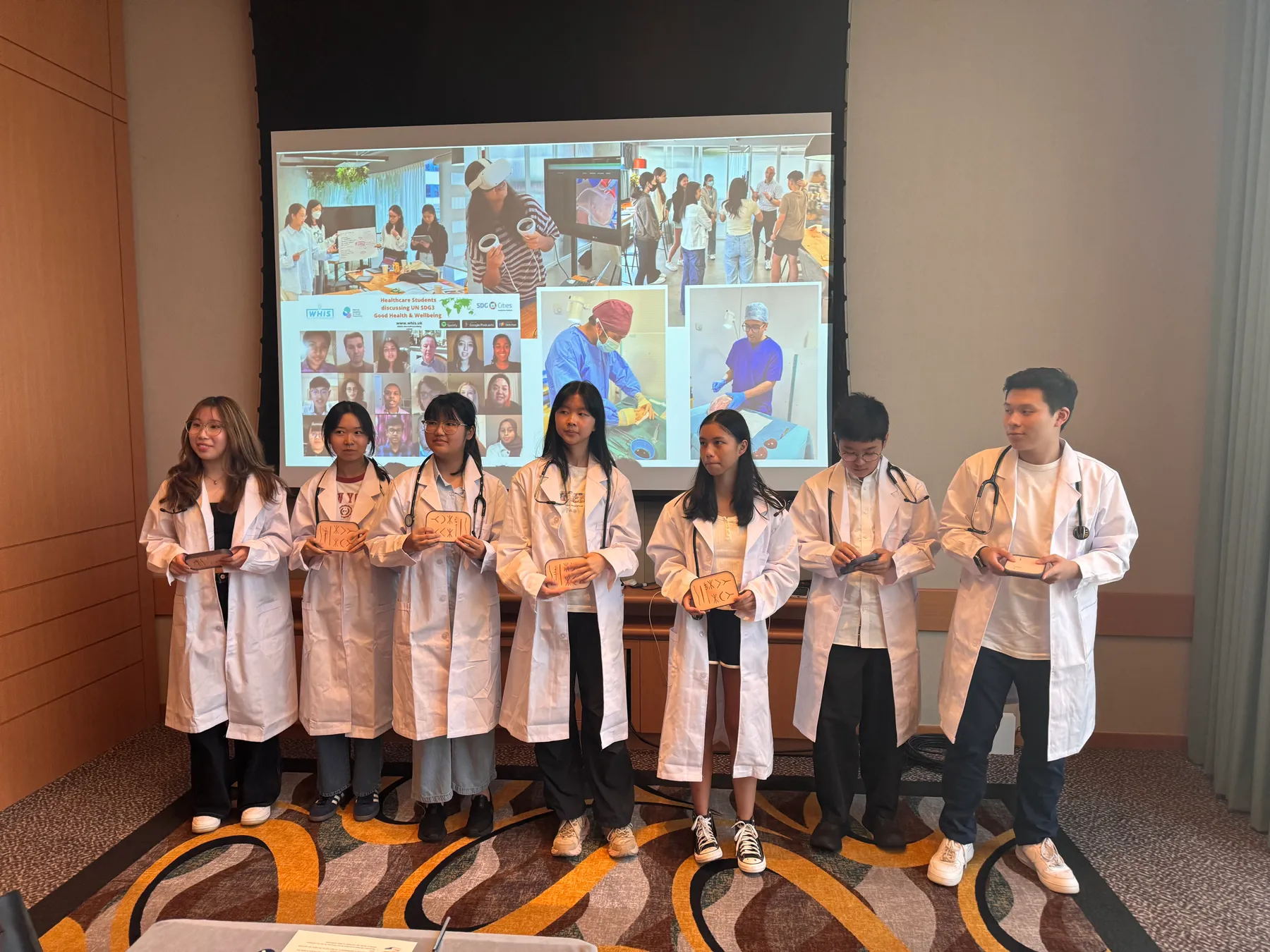
Talent, not background, should decide who becomes a doctor. That is why 20% of our Academy students attend free, and why our talks, books and conferences cost schools nothing.
How we widen access